Soft skills are the new hard skills — but only if you can measure them
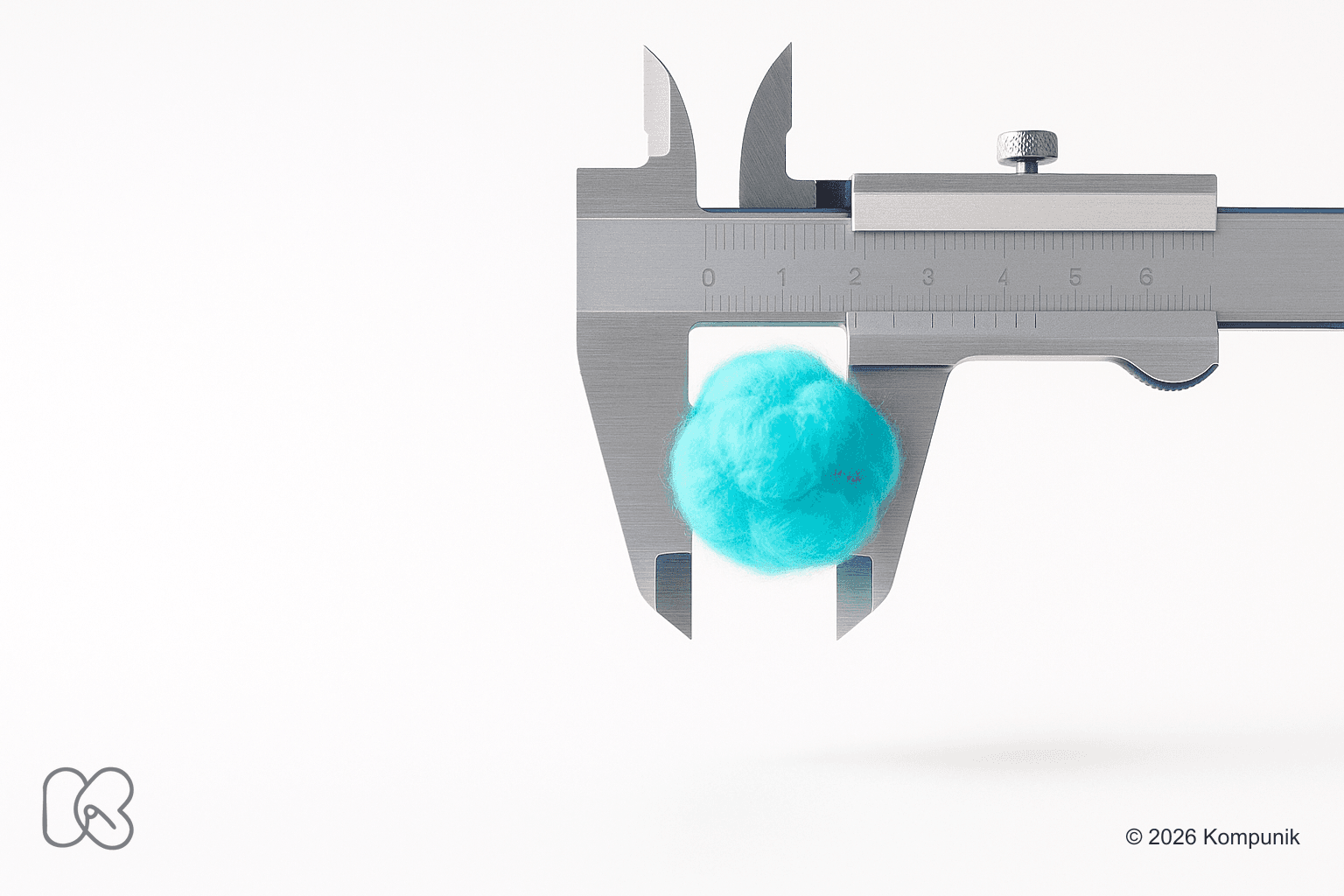
We All Want to Believe Soft Skills Are the Secret Weapon
“Soft skills are the new hard skills.” You’ve heard the line in boardrooms and LinkedIn feeds, echoed by CEOs, CHROs, and hiring managers. It’s tempting—comforting, even. If you can teach your people curiosity, empathy, and crisp communication, you’ll outpace competitors still chasing the latest tech stack. The promise? Recruit for grit, coach for candor, and your teams will thrive where technical chops alone fall short.
The idea is sticky because it flatters both our values and our anxieties. In a world where yesterday’s knowledge is tomorrow’s commodity, maybe the true edge is human. But slogans only get you so far. What happens when everyone claims to “value soft skills”—but no one can tell you which ones matter, how to build them, or whether your investment is working?
Why the Slogan Sticks: The Grain of Truth
The pull is real—and it’s not just hype. When the National Soft Skills Association reports that 85% of job success comes from well-developed soft and people skills, compared to only 15% from technical skills, that’s a wake-up call for any HR leader. It validates what you’ve witnessed: the engineer who can code all night, but whose blunt emails spark resignation letters; the project lead who knows every process by heart, but can’t diffuse a tense client call.
The business case is clear. In fact, 84% of employees and managers say it’s necessary for new hires to possess and demonstrate soft skills during the hiring process—Poets & Quants for Undergrads, 2023. You can’t build a resilient, innovative workforce on technical knowledge alone. When teams get stuck, it’s rarely because someone forgot a procedure. It’s because trust eroded, feedback went unsaid, or a manager missed signs of burnout until it was too late.
For every hard metric—time-to-resolution, NPS, retention—there’s a soft skill lurking underneath. These aren’t just “nice to have” qualities. They’re the difference between project delivery and project drift. That’s why the pressure to “do something about soft skills” is so relentless—and why so many talent leaders double down on the slogan.
What the Numbers Don’t Tell You: The Measurement Gap
But here’s where the story forks. The evidence for soft skills is strong, but the evidence for building them—at scale, with accountability—is far patchier. Everyone says they want more collaboration, better communication, or stronger feedback culture. Almost no one can show, with rigor, which behaviors have changed or how that shift links to business outcomes.
| Claim | Evidence |
|---|---|
| "Soft skills drive 85% of job success" | National Soft Skills Association, 2023 |
| "84% demand soft skills at hiring" | Poets & Quants for Undergrads, 2023 |
| "Can your program show transfer and ROI?" | Rarer—few vendors publish outcome data with validity checks |
Here’s the uncomfortable truth. Without measurement—observable behaviors, consistent feedback, and data that ties learning to results—soft skills programs become a feel-good box-tick. This isn’t just theory. Take the story of a manager tasked with coaching a technically strong but interpersonally clumsy teammate. By setting measurable expectations (“summarize key points before closing each meeting,” “seek and log peer feedback weekly”), the manager saw tangible gains in team cohesion and project outcomes. The shift only became real once it was tracked, not just talked about. Read the full account.
Measurement is the missing condition. It’s what separates meaningful culture change from well-intentioned drift. Slogans can inspire, but only assessment makes them count.
The Real Shift: Treat Soft Skills Like Hard Skills—With Evidence
So what’s the more practical, honest model? It’s not to dismiss soft skills as unteachable, nor to accept every claim at face value. The answer is to treat soft skills with the same rigor you’d demand from any technical program—by making them observable, measurable, and tied to business results.
First, define the skill in behavioral terms. “Better communication” is too vague. “Summarizes action items at the end of each meeting” is specific. This shift to observable behaviors is backed by task-decomposition research (see Ericsson; Wiese & Burke, meta-analytic reviews), which consistently finds that breaking down complex skills into visible units accelerates transfer to the job. It’s not enough to say a manager is “empathetic”—you need evidence, like a pattern of asking open-ended questions in one-on-ones and acting on input.
Second, track progress over time—ideally with peer or stakeholder feedback. Validity (does the measurement actually reflect the skill?) and reliability (does it produce consistent results?) matter here. Without them, your data is just noise. To move the needle, you want before/after comparisons, calibration across teams, and transparent criteria.
Third—and most overlooked—connect those measurements to real outcomes. Did team retention improve? Are projects shipping faster? Did customer complaints drop? The best programs report not just completion rates, but behavior change and business impact. If your finance partner asks, “How do we know this is reducing regrettable turnover?” you need to point to the data, not just anecdotes.
Let’s revisit the real-world example. When the manager coached the technically strong but struggling employee, it wasn’t a generic pep talk that made the difference. It was clarity: “Here’s what good looks like. Here’s how we’ll know you’re improving.” Over the next quarter, peer feedback scores rose, and project handoffs ran smoother. The key wasn’t just intent—it was measurement at every step. See the story in context.
For a practical edge, Nicky Perfect, a UK-based communication coach, puts it crisply:
This is the accountability shift the field needs. Soft skills aren’t “soft” because they’re less important. They’re “soft” because, until recently, they’ve been hard to measure. But with the right approach, you can make them as concrete—and as accountable—as any technical KPI.
Ready to Measure What Matters?
The cliché is half right—soft skills are the new hard skills, but only if you can measure them. That means moving past generic workshops and towards evidence: clear targets, real feedback, and data that links learning to outcomes.
If you want to see how your own team stacks up—and where your biggest behavioral gaps are—the fastest way is to take the free diagnostic. In a few minutes, you’ll have a snapshot of your soft-skills profile and a clearer sense of where to focus next.
Don’t settle for slogans. Demand measurement—and watch your investment pay off where it counts.
Discover your soft skills
Take the free 2-minute Kompunik diagnostic to reveal your strengths and where to grow.

Founder, Kompunik · Two decades building and leading teams
Joss is the founder of Kompunik, a multilingual learning platform about soft skills and career-orientation. Across twenty years in both global corporations and start-ups, he has built and led teams in the UK, India and France, reporting to stakeholders from the US, Mexico, Brazil to China, Japan, Australia and Africa. Twice he joined a business at its earliest stage — a handful of inspired people — and left a decade later with a 30-to-50-strong organisation, products performing in their markets, and recurring revenues more than doubled. Along the way he specialised in building software, data and AI-driven products that industry leaders in the telecom and agriculture sectors rely on. That experience — hiring, motivating and retaining the people who make it happen — is what Kompunik is built to pass on.