Can soft skills be measured objectively?
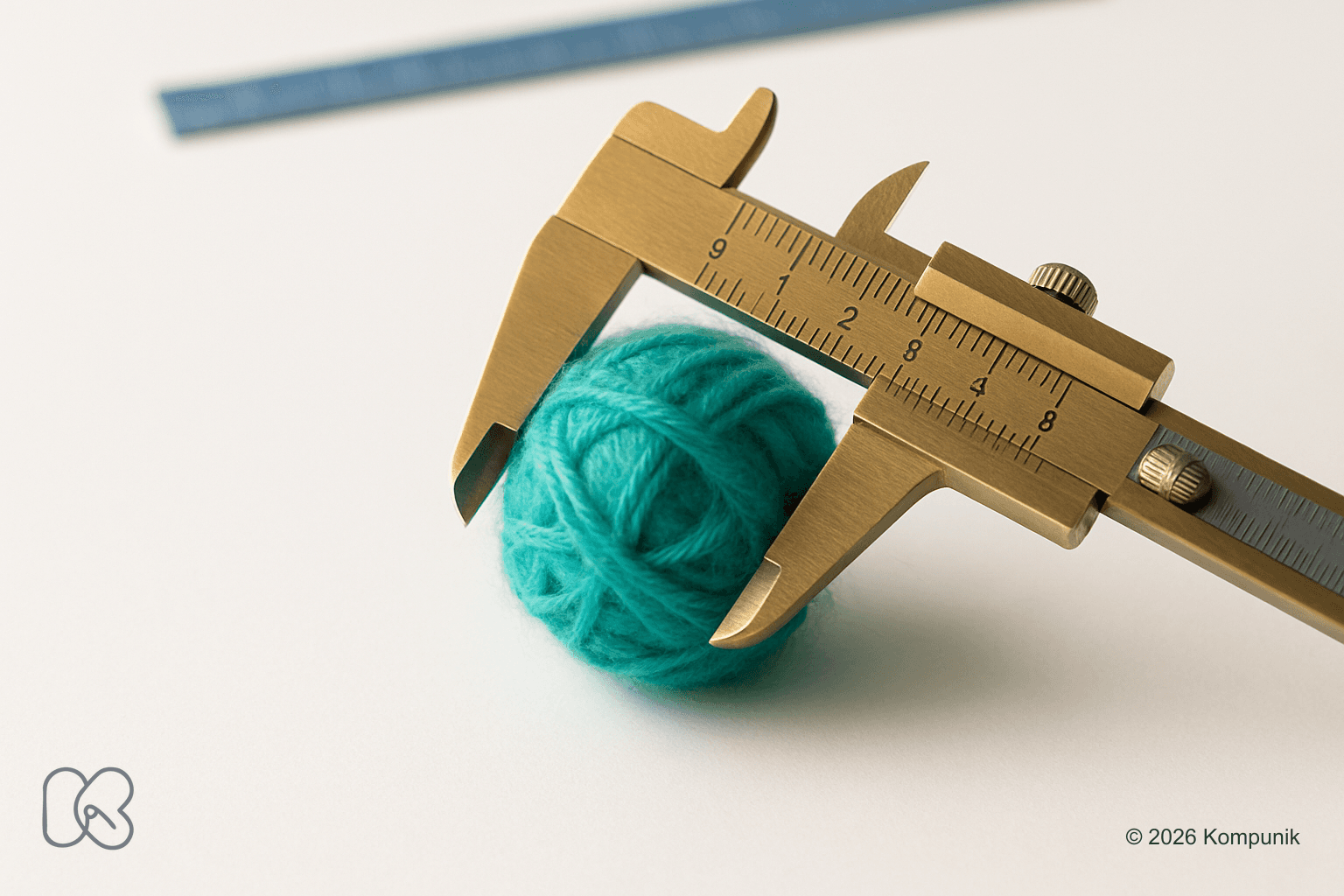
Objectivity vs. Intuition: The High-Stakes Soft Skills Dilemma
Picture this: Eight out of ten managers say that new hires must walk in already demonstrating strong soft skills. It’s not just a preference—it’s a gatekeeper. Yet, when it comes time to coach or promote, the conversation turns fuzzy. What does ‘good communication’ actually look like? How do you capture ‘collaboration’ in anything more concrete than a gut feel?
The stakes aren’t theoretical. According to the World Economic Forum, 39% of workers’ core skills are expected to shift by 2030, with soft skills taking center stage. If we can’t measure what matters, L&D budgets and leadership buy-in hang in the balance. The question isn’t just academic: Can soft skills be measured objectively, or are we forever stuck in the realm of subjectivity?
The Data: A Clear Trend Toward Soft Skill Demand
Let’s cut through the noise with a look at the numbers. Objectivity in soft skill measurement isn’t just a philosophical debate—it’s reflected in hiring, expectations, and upskilling priorities.
| Data Point | Source |
|---|---|
| 39% of workers’ core skills are predicted to change by 2030, with soft skills rising in importance | World Economic Forum, 2025 |
| 84% of employees and managers say soft skills must be demonstrated during hiring | Forbes, 2024 |
These numbers set a clear direction. Most employers aren’t just hoping for soft skills—they’re actively screening for them. But what does ‘demonstrate’ mean in practice? In the hiring process, it’s often a proxy: Did the candidate make eye contact? Did they summarize their points clearly? Was there evidence of communication or collaboration in their examples? These are observable markers, but they aren’t always consistently measured or defined.
Inside organizations, the measurement challenge only grows. Skills like ‘handling feedback’ or ‘managing conflict’ are complex, highly context-dependent, and steeped in cultural norms. Without a shared framework for what ‘good’ looks like, even well-intentioned feedback can turn subjective fast. The bottom line: demand for soft skills is unambiguous, but measurement often relies on proxies and perceptions rather than direct, replicable evidence.
The Real-World Impact: Subjectivity, Tension, and the Search for Fairness
Numbers make the business case, but the day-to-day reality is messier. Consider the story of a manager who struggled to coach an employee who delivered flawless technical work but was labeled ‘abrasive’ in meetings. Feedback sessions got tense. The manager realized that their comments—"try to be more collaborative" or "watch your tone"—felt vague and personal, not actionable. The employee pushed back: What exactly should they do differently? How would improvement be measured?
This scenario, drawn from a real workplace dilemma (Ask a Manager), spotlights the core issue. Without clear, observable criteria, soft skills discussions tip into subjectivity. Employees feel judged, not guided. Managers feel uncertain, unable to pin down what success really looks like.
For L&D leaders, this tension has ripple effects:
- Inconsistent reinforcement: If managers interpret skills like ‘active listening’ or ‘empathy’ differently, learners get mixed signals post-training.
- Fragmented data: If ‘improvement’ is tracked by attendance or generic self-ratings, it’s nearly impossible to link learning to business outcomes.
- Barriers to scaling: Without objective measures, rolling out programs across teams or regions risks diluting relevance and credibility.
At its core, the measurement debate isn’t about whether soft skills matter. It’s about whether we can define, observe, and assess them in ways that are fair, credible, and actionable—especially when the organizational stakes are high.
What’s Measurable, What’s Not? A Practical Response for L&D
The science is clear: While soft skills can’t be measured with the same precision as coding speed or sales quotas, they aren’t wholly subjective either. Decades of research in industrial-organizational psychology suggest that observable behaviors—what people say and do in specific contexts—are more reliably measured than personality traits or broad impressions.
For example, instead of rating someone as ‘collaborative,’ you might track how often they invite input, summarize group decisions, or acknowledge others’ contributions in meetings. This moves the assessment from opinion to observable fact—boosting both validity (does it measure what it claims to?) and reliability (would two observers agree?).
Of course, context matters. What’s considered ‘good’ listening in a UK law firm might look different in a Singapore tech startup. That’s why benchmarking and calibration—having multiple raters, using clear rubrics, and tying behaviors to business outcomes—are key to building trust in the process.
Still, honest limits remain. Not every soft skill can be perfectly coded; some degree of human interpretation will always enter. The goal for L&D isn’t to eliminate subjectivity but to contain it—by making expectations explicit, feedback actionable, and data transparent.
Expert Guidance: Observable Behaviors Over Personality Labels
Next Steps: Diagnose, Don’t Assume—Measure What Matters
If you’re an L&D manager under pressure to prove impact, the message is clear: Objectivity in soft skill measurement is possible—but only if you commit to observable, role-relevant behaviors and transparent data. Start with a clear diagnostic to benchmark where people are today. Use those insights to target coaching, manager toolkits, and program design. And always bring leaders into the measurement conversation early, so they trust the data you report.
Ready to see where your team stands? Take the free diagnostic—and discover your soft-skills profile in minutes. Evidence, not intuition, is the path to real behavior change.
Discover your soft skills
Take the free 2-minute Kompunik diagnostic to reveal your strengths and where to grow.

Founder, Kompunik · Two decades building and leading teams
Joss is the founder of Kompunik, a multilingual learning platform about soft skills and career-orientation. Across twenty years in both global corporations and start-ups, he has built and led teams in the UK, India and France, reporting to stakeholders from the US, Mexico, Brazil to China, Japan, Australia and Africa. Twice he joined a business at its earliest stage — a handful of inspired people — and left a decade later with a 30-to-50-strong organisation, products performing in their markets, and recurring revenues more than doubled. Along the way he specialised in building software, data and AI-driven products that industry leaders in the telecom and agriculture sectors rely on. That experience — hiring, motivating and retaining the people who make it happen — is what Kompunik is built to pass on.